If your kitchen has awkward corners, you already know the struggle. Stuff gets shoved in the back and never comes out. Half the cabinet goes unused. It starts to feel like wasted real estate every single day.
The good news? There are smart ways to fix this. You don’t need a full renovation. You just need the right cabinet solutions for the space you already have.
Corner storage has come a long way. Whether you’re updating an older kitchen or starting fresh, today’s options are practical, stylish, and built to last. Many homeowners in Orland Park, IL are already rethinking their corner layouts and the results speak for themselves.
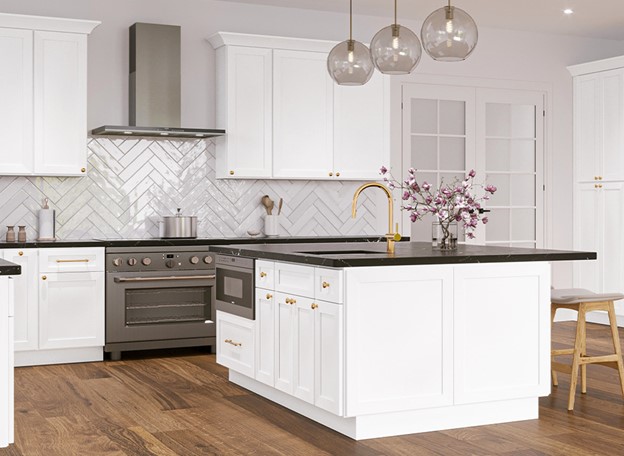
One of the most popular choices right now is pairing clean, timeless cabinetry with smart corner systems. Shaker style kitchen cabinets are a perfect example. Their simple, flat-panel design works beautifully in corner setups because the clean lines don’t clash with pull-outs, lazy Susans, or angled door frames. They just… fit.
That’s the thing about good design. It doesn’t scream for attention. It just works quietly in the background while you cook, clean, and live your daily life.
Understanding Your Kitchen Corner
Before you buy anything, understand what type of corner you’re working with. Not all kitchen corners are the same.
L-shaped corners are the most common. Two cabinet runs meet at a 90-degree angle. U-shaped kitchens have two corner points instead of one. Blind corners are trickier one cabinet partially blocks access to another.
Knowing your corner type helps you pick the right solution. A fix that works great in an L-shaped kitchen might be completely wrong for a blind corner setup.
Take measurements. Sketch it out. Even a rough drawing on paper helps you think through the space before spending money.
Lazy Susan — Still a Classic for Good Reason
The lazy Susan has been around for decades. And honestly? It still works.
A full-circle version spins freely and holds a surprising amount. Half-moon (kidney-shaped) designs attach to the cabinet door and rotate when you open it. D-shaped lazy Susans are great for blind corners specifically they slide out before spinning, so nothing gets stuck.
What works best on a lazy Susan? Spices, condiments, canned goods, and oils. Small items that are easy to lose at the back of a cabinet.
One tip: don’t overload it. Leave a little breathing room so things don’t tip or fall when it spins. A half-full lazy Susan is way more useful than a packed one.
Pull-Out Systems That Actually Make Life Easier
Pull-out shelf systems are the real game-changers for tight corners. They bring the back of the cabinet to you.
The magic corner system is one of the best. Two shelves swing out and forward in a single motion. You see everything at once. Nothing hides in the dark.
LeMans systems work on a similar idea. The shelves arc outward on a pivot, giving you full access without crouching or digging. They’re a little pricier, but homeowners who install them rarely look back.
Blind corner pull-outs are designed specifically for those tricky spots where one cabinet blocks another. They slide out on a track and make the most of every inch.
If you’re in Orland Park, IL and planning a kitchen update, these pull-out systems pair incredibly well with corner cabinets for kitchen layouts that have limited floor space. They turn a frustrating dead zone into the most functional corner in the room.
Speaking of corner setups, it helps to understand the basics of kitchen cabinet construction before you buy. Knowing how cabinets are built — box size, hinge types, shelf depth lets you ask better questions and get better results.
Diagonal and Angled Corner Cabinets
Diagonal cabinets are another smart move. Instead of a sharp 90-degree corner, you get an angled door that opens to a wide, accessible interior.
These work especially well as corner cabinets for kitchen setups where you want easy access to larger items like stand mixers, blenders, or a big stockpot.
Some homeowners go with open diagonal shelving. No doors at all. It creates visual interest and keeps things within arm’s reach. Just be honest with yourself: open shelves look great when tidy and terrible when they’re not.
Diagonal corner pantry cabinets are also worth considering. Floor-to-ceiling height, angled door, and multiple adjustable shelves inside. They’re especially popular in Orland Park, IL homes where storage space is at a premium.
Going Vertical — Don’t Ignore the Height
Most people think about horizontal storage. But vertical space is just as valuable in a tight kitchen corner.
Floor-to-ceiling corner cabinets make use of every inch from the floor up. Upper wall cabinets stacked above base units double your storage without increasing your footprint.
Wall-mounted corner shelves are a lighter option. They’re great for displaying items you reach for often — olive oil, a cutting board, your morning coffee mug.
Corner pot racks hanging from the ceiling are another vertical win. They free up an entire lower cabinet and keep your most-used pans right at eye level.
Budget-Friendly DIY Ideas
You don’t always need a contractor. Some of the best corner storage solutions are surprisingly simple to set up yourself.
Floating corner shelves are a weekend project that costs very little. Cut to fit, mount properly into studs, and you’ve got instant storage.
Turntables the kind you find at dollar stores and home goods shops — work surprisingly well inside existing cabinets. Drop one in a lower corner cabinet and suddenly it functions like a lazy Susan.
Tension rods mounted vertically inside a cabinet create dividers for baking trays, cutting boards, and sheet pans. It keeps them upright and easy to grab.
Stackable bins and modular organizers are another quick fix. They let you build upward inside the cabinet rather than piling things on top of each other.
Matching the Look to Your Kitchen Style
Storage solutions need to match your kitchen’s personality. A mismatched cabinet system sticks out and not in a good way.
If you have Shaker style kitchen cabinets, lean into that clean, classic aesthetic. Choose hardware and organizers with simple lines. Avoid fussy, ornate details. The whole appeal of the Shaker style is its beautiful simplicity.
For more modern kitchens, handle-less pull-outs and integrated hinges keep things sleek. For traditional or farmhouse kitchens, warm wood tones and visible hardware feel right at home.
Lighting inside corner cabinets is an underrated upgrade. A simple LED strip inside a deep cabinet makes everything visible immediately. No more guessing what’s lurking in the back.
What to Store Where — A Practical Guide
Knowing what to put in corner cabinets is just as important as the cabinet itself.
Lower corner cabinets are best for heavy items — pots, pans, small appliances. You’re not lifting them overhead, so weight isn’t an issue.
Upper corner cabinets work well for lighter things — extra dishes, seldom-used gadgets, dry goods backup. Items you don’t need every day.
Open corner shelves are ideal for everyday items you want visible and accessible — cutting boards, oils, spices, or even a small plant.
Group similar items together. Keep what you use daily closest to the door. Push rarely used items to the back or up high.
Conclusion
Tight kitchen corners don’t have to be dead space. With the right cabinet system, they become some of the most useful spots in your kitchen.
Start by identifying your corner type. Then match the solution to your needs and budget. You don’t have to do everything at once. Even one upgrade a lazy Susan, a pull-out shelf, a floating corner shelf makes a real difference.
Homeowners in Orland Park, IL have found that small, smart corner upgrades often deliver more value than a full kitchen remodel. The space was always there. It just needed the right solution.