
Most people shopping for storage start with a price per kilowatt-hour and work backward. A better approach starts with the house. Picking batteries for solar panels is a sizing exercise, and it goes faster with real numbers than with rules of thumb. This worked example follows a household that uses about 24 kWh a day and wants backup power through an outage as well as evening use of its own solar.
Step One: List the Loads That Must Stay On
Not everything needs backup. Start with the refrigerator and freezer, lighting, internet gear, a furnace blower, a well pump and phone charging. Add the loads the household would hate to lose, such as a garage door opener or a medical device. Resist the urge to include the oven, dryer and air conditioner at first, because these loads can multiply the battery size and the budget. A short list is easier to design around when sizing batteries for solar panels, and a second phase can add more later. Write each estimate down with its source: a nameplate, a smart-plug reading or a utility bill.
Step Two: Turn the List Into Kilowatt-Hours
Estimate daily energy for each item. In this example, the refrigerator and freezer use about 2.5 kWh, lighting 0.8, internet and electronics 1.2, the furnace blower 1.5 and the well pump about 1 kWh. That brings essentials to 7 kWh a day. The family wants a cushion for a cloudy day, so the target grows to roughly 8.5 kWh. Compare that with the 24 kWh used overall, and it becomes clear why partial backup is far more affordable than whole-house backup.
Step Three: Allow for Usable Capacity
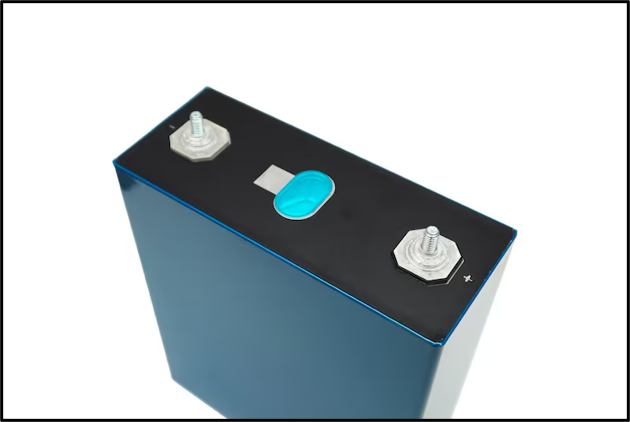
Nameplate capacity is not the same as usable capacity, and the figure quoted for batteries for solar panels is rarely the one you can use. Lithium iron phosphate solar energy storage batteries typically allow 90 percent or more of rated capacity to be used, while lead-acid is generally kept near 50 percent. At 90 percent, 8.5 kWh of need calls for about 9.5 kWh nameplate. A 48V, 200Ah LiFePO4 bank stores around 9.6 kWh, which lands almost exactly on the target. The same job in lead-acid would need a bank close to twice that size.
Step Four: Check the Power Side
Energy tells you how long, and power tells you how much at once. Add the loads that could run together: the well pump starting, the refrigerator compressor kicking on and the furnace blower running. Motors draw several times their running current at startup, so a household with a 3 kW running load might see surges near 6 kW. The inverter and the battery’s continuous discharge rating need to cover that peak. Plenty of systems have enough kilowatt-hours and still trip because the power rating was an afterthought when the batteries for solar panels were chosen.
Step Five: Pick the Chemistry and the System Voltage
Most residential storage today uses lithium iron phosphate, which favors safety, long cycle life and stable voltage. Many systems run at 48V, which keeps current and cable size reasonable. When comparing solar pv energy storage batteries, ask how the battery communicates with the inverter, how modules stack and expand, and what happens to the warranty if capacity is added later. A battery that cannot talk to the inverter turns a clean install into a troubleshooting project.
What the Numbers Mean for the Daily Routine
With a 9.6 kWh bank, the household can run essentials through a full day without sun, or shift part of its evening use onto stored solar. Researchers at Pacific Northwest National Laboratory, in a guide to rooftop solar and battery storage reported by pv magazine, note that batteries can hold daytime solar for evenings, when electricity rates are highest, and serve as backup during outages. That dual role is why the same batteries for solar panels can serve both jobs, as long as the controls are set up to protect a reserve.
Common Mistakes to Avoid
Three errors show up regularly. The first is sizing for the average day and ignoring the worst one. A long cloudy week asks more of solar energy storage batteries than a sunny month does, so decide up front how many days of autonomy are realistic. The second is buying a battery that cannot be expanded, which locks a household into its first estimate. The third is overlooking permits and inspection: many jurisdictions set rules for indoor battery placement, clearances and fire protection, and an installer who knows local code saves weeks. Put these questions to every quote before signing.
Conclusion
Choosing batteries for solar panels starts with the loads and ends with the hardware, not the other way around. List essentials, convert them to kilowatt-hours, adjust for usable capacity, check the power side and then choose the chemistry. The household in this example lands on a 48V, 200Ah bank and a properly rated inverter, which is a realistic and affordable first phase. Anyone planning their own system can repeat the same five steps with their own numbers.