
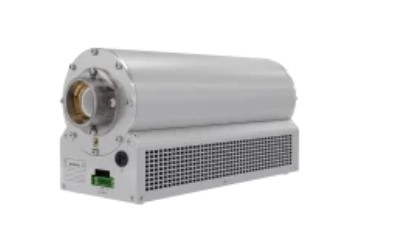
In modern medical, industrial, and research applications, X-ray high voltage generators form the backbone of X-ray imaging and inspection systems. These generators are essential for producing the high voltage necessary to accelerate electrons from the cathode to the anode in an X-ray tube, resulting in precise, high-quality X-ray beams. The reliability and stability of these generators directly affect the clarity of images, the safety of operators, and the longevity of the equipment.
An X-ray high voltage generator is far more than a simple transformer. It incorporates sophisticated control electronics, precise filament regulation, and integrated safety features. Solid-state designs, rapid ramp-up capabilities, and advanced monitoring systems ensure that the generator performs consistently under various operational conditions. Whether used in hospital radiology departments, industrial inspection facilities, or research laboratories, these generators are vital for achieving dependable and accurate results.
Applications and Design Considerations
Industry Applications
X-ray high voltage generators play a vital role across several key sectors:
Medical Diagnostics
Radiography, CT scanning, fluoroscopy, mammography, and dental imaging require extremely consistent voltage and current outputs. Stable performance ensures high-resolution images while maintaining safe radiation exposure levels.
Industrial Inspection
Generators are essential for non-destructive testing (NDT), weld quality evaluation, material integrity checks, and high-energy security screening. Industrial imaging often requires deeper penetration and long-duty cycles, making high voltage stability critical.
Scientific Research
Used in electron microscopy, material characterization, crystallography, and irradiation studies. Research environments rely on precise, repeatable outputs to ensure measurement accuracy.
Custom Installations
Security scanning systems, specialized manufacturing workflows, robotics-integrated inspection stations, and experimental physics setups frequently require custom-built generators for unique technical demands.
Key Technical Considerations
When choosing or designing an X-ray generator, understanding the core technical parameters is essential to ensure performance, safety, and long-term reliability. Each aspect influences image quality, equipment lifespan, and compatibility with advanced imaging workflows.
1. Voltage and Current Ratings
The first and most critical step is selecting voltage and current ratings that align precisely with the X-ray tube’s specifications.
- Voltage Range: Determines penetration power and imaging depth, typically varying from low kV for soft tissue to high kV for industrial testing.
- Current Ratings: Must match the tube’s operational load, including continuous, pulsed, and high-duty-cycle applications.
- Duty Cycle Compatibility: Ensures the generator can maintain performance during extended or repetitive exposures without degradation.
A properly matched generator prevents stress on tube components and maintains optimal imaging results.
2. Output Precision and Stability
Stable high-voltage output is essential for consistent imaging performance.
- Low Voltage Ripple: Minimizes fluctuations, ensuring uniform exposure and reducing image artifacts.
- Fast Response Regulation: Maintains accurate output even during sudden load changes.
- Enhanced Imaging Consistency: A stable HV supply prolongs tube life by minimizing electrical stress.
Superior regulation reduces noise, increases detail clarity, and supports high-definition imaging workflows.
3. Filament Regulation and Control
The filament supply plays a major role in electron emission and tube stability.
- Preheating Logic: Ensures the filament reaches optimal temperature before exposure, preventing thermal shock.
- Closed-Loop Current Control: Maintains precise electron flow to match mA settings.
- Emission Stability: Leads to predictable exposure output and reduces wear on the filament.
Accurate filament control guarantees dependable emission performance throughout the tube’s operating life.
4. Safety Protocols and Protections
High-voltage systems demand advanced safety mechanisms to safeguard operators, equipment, and the surrounding environment.
Key protections include:
- Over-Voltage & Over-Current Shutdown: Prevents catastrophic tube damage and electrical hazards.
- Integrated Interlocks: Ensures the system operates only under safe and controlled conditions.
- Soft-Start & Controlled Ramping: Avoids sudden voltage surges that could stress components.
- Arc Detection: Identifies and reacts to electrical arcs within microseconds to prevent damage.
These protocols ensure compliance with modern regulatory safety standards while minimizing operational risk.
5. Thermal Management and Cooling Methods
Thermal load is one of the most critical factors influencing generator lifespan.
- Active Cooling (Air or Liquid): Removes heat generated during continuous or high-power operation.
- Thermal Sensors and Feedback: Automatically adjusts performance or shuts down to prevent overheating.
- Heat Dissipation Architecture: Proper spacing, airflow, and component layout enhance longevity.
Effective thermal management ensures stable performance even under demanding imaging cycles.
6. Integration, Automation, and Control Interfaces
Modern imaging environments require generators that communicate seamlessly with digital systems.
- Digital Interfaces (Ethernet, CAN, RS-485): Enable system-level communication and remote control.
- Programmable Settings: Users can define exposure parameters, sequences, and automation workflows.
- Advanced Diagnostics: Real-time monitoring of HV output, temperature, tube conditions, and system health.
- Software Integration: Allows compatibility with PACS, imaging platforms, and industrial automation systems.
Well-integrated systems result in improved accuracy, quicker workflows, and reduced operator burden.
7. Reliability, Compliance, and Long-Term Maintenance
Beyond performance, long-term reliability is a major factor in choosing an HV generator.
- Component Quality: High-grade transformers, capacitors, and control modules improve operational life.
- Regulatory Standards: Compliance with IEC, CE, and other relevant certifications ensures global compatibility.
- Ease of Maintenance: Modular designs allow quick servicing, minimizing downtime.
- Environmental Durability: Systems designed for humidity, vibration, and harsh environments perform longer with fewer failures.
A reliable generator ensures uptime and lowers the total cost of ownership across years of use.
Conclusion
Investing in a high-quality High Voltage Generator Solution is essential for achieving reliable performance, maximum operational safety, and long-term efficiency across all X-ray imaging and industrial inspection environments. Modern generators deliver precise voltage control, consistent filament emission, and advanced multi-layer protection systems, ensuring accurate, stable, and repeatable results even under the most demanding conditions. Their ability to maintain output integrity directly improves image clarity, safeguards operators, and preserves the health of critical system components.
A dependable High Voltage Generator Solution also minimizes unexpected downtime, reduces long-term maintenance expenses, and significantly extends the working life of X-ray tubes. Whether deployed in hospitals, industrial inspection centers, security screening operations, or research laboratories, these solutions enable organizations to uphold high imaging standards while meeting strict regulatory and performance requirements.
For professional support, VJ X-Ray offers expert services in the design, integration, and maintenance of X-ray imaging systems and high-voltage equipment. Their team delivers tailored, reliable solutions, ensuring seamless operation and consistent performance for every client. With VJ X-Ray, organizations gain access to innovative, dependable solutions that meet both operational and regulatory requirements.